

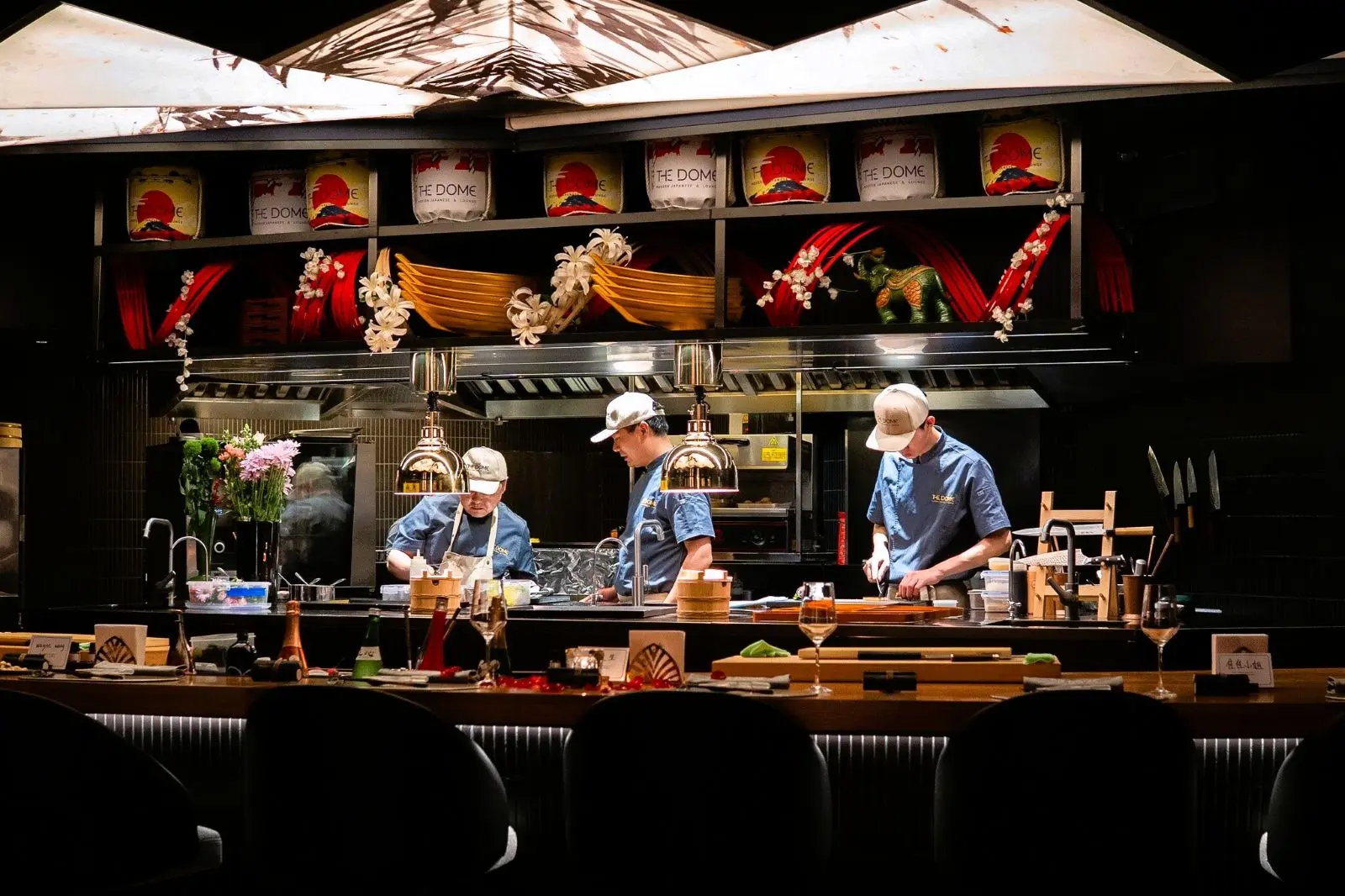
A Complete Foodie Guide for Guests of JOYA Hotel Shanghai Gubei
🍜 The “Little Tokyo” Culinary Trail: Eating Your Way Through Shanghai’s Best-Kept Secret, Right Outside JOYA Hotel Gubei
There is a moment, just after dusk, when the tree-lined avenues of Gubei change character. Neon kanji flicker to life above narrow doorways, paper lanterns sway outside tiny dining rooms, and the smoky perfume of charcoal-grilled yakitori drifts down Hongbaoshi Road. You could be forgiven for thinking you’ve teleported from Shanghai to a backstreet of Tokyo’s Shinjuku district — but you haven’t. You’ve simply stepped out of the lobby of JOYA Hotel Shanghai Gubei (Building B, No. 188 Hongbaoshi Road, Changning District) and onto one of the most authentic culinary trails in all of China.
While first-time visitors to Shanghai crowd the Bund and Yu Garden, seasoned travelers and returning expats quietly make their way to Gubei — the city’s legendary international enclave and home to its largest Japanese and Korean communities. For guests staying at JOYA Hotel Shanghai Gubei, this neighborhood isn’t just a place to sleep; it’s a living, breathing gastronomy map. This guide walks you through the three great “stops” of the Little Tokyo Culinary Trail: the izakaya-packed Gubei Golden Street (Gubei Jin Jie), the sizzling Korean BBQ and themed café side-streets, and the delightful supermarket safari through Japanese import grocers like APITA and the Takashimaya food halls.
Lace up your walking shoes (or hail a two-minute taxi), loosen your belt, and let’s eat.
🗾 Why Gubei Is Called Shanghai’s “Little Tokyo”
To understand the food, you first need to understand the neighborhood. Master-planned in the 1990s as Shanghai’s first international-standard residential district, Gubei became the natural landing point for Japanese executives, Korean families, and global expats relocating to the city. Today, the Changning district houses the majority of Shanghai’s Japanese expatriate community, and the streets radiating from Hongbaoshi Road — particularly Shuicheng Road and its surrounding lanes — host well over two hundred Japanese restaurants, from hole-in-the-wall ramen shops to refined omakase counters.
This is not a themed “food street” built for tourists. These restaurants exist to serve homesick Tokyo salarymen, Osaka aunties, and Seoul families who demand their ramen, kimchi, and sashimi to taste exactly like home. That is the secret of the trail: authenticity is guaranteed by the locals at the next table. Menus are often Japanese-only, chefs train in Tokyo and Seoul, and ingredients are flown in weekly. And you, as a guest of JOYA Hotel Shanghai Gubei, get to experience it all within a ten-minute radius of your bed.
🏮 Stop 1 — Gubei Golden Street (Gubei Jin Jie): The Beating Heart of the Trail
A short stroll or a quick taxi hop from the hotel, Gubei Golden Street is a pedestrianized dining strip that comes alive at sunset. Strings of lanterns, wooden façades, hand-painted noren curtains and the clink of glasses create an atmosphere that rivals Omoide Yokocho in Tokyo. This is where the trail begins.
Izakaya & Yakitori Nights
The izakaya is Japan’s answer to the tapas bar and the British pub rolled into one — a place for small plates, cold beer, and loud laughter. On Golden Street and its feeder lanes, look for:
- Yakitori & Yakiniku counters: Watch the chef fan glowing binchotan charcoal as skewers of tsukune (chicken meatball), negima (chicken and scallion), and crispy chicken skin are turned and salted before your eyes.
- Izakaya classics: Karaage (fried chicken), agedashi tofu, sashimi platters, takoyaki, and bubbling nabe hotpots in winter.
- The drinks ritual: Order a frosty mug of draft beer (“nama biiru!“), then switch to highballs, plum wine, or a flight of sake — many local izakayas keep shelves of regional Japanese labels you’d struggle to find elsewhere in Shanghai.
Long-standing neighborhood favorites and bustling sushi-izakaya houses dot the area, and several cult spots are so popular they only accept reservations made in person — a charming quirk that rewards travelers who wander early and book for later.
Hidden Ramen Bars & Sushi Counters
No trail is complete without slurping. Gubei’s ramen scene covers the full spectrum:
- Tonkotsu: Cloudy, collagen-rich pork-bone broth simmered for hours, topped with chashu and a jammy ajitama egg.
- Shoyu & Shio: Clearer, nostalgic Tokyo-style bowls that let the broth’s umami sing.
- Tsukemen: Thick noodles served cold with a concentrated dipping broth — a connoisseur’s choice.
And for a special night, book a seat at one of Gubei’s intimate sushi counters, where chefs slice same-day fish and press nigiri with quiet theater. Omakase here costs a fraction of Ginza prices while delivering astonishing quality — the single best “insider upgrade” your stay at JOYA Hotel Shanghai Gubei makes possible.
Trail Tip: Izakayas hit their stride after 8:00 PM, ramen bars are best at lunch (when broth sells out), and sushi counters favor early-evening seatings. Plan your nights accordingly.
🥩 Stop 2 — The Korean Side of the Trail: Sizzling BBQ, Stews & Themed Cafés
Gubei’s story isn’t only Japanese. The wider Changning district has long been a hub for the Korean community as well, and the side streets branching off Hongbaoshi Road deliver a second, equally delicious trail: Korean BBQ and Seoul-style café culture you simply won’t find in Shanghai’s main tourist zones.
Sizzling Korean BBQ & Family-Run Institutions
Follow the scent of grilling meat and you’ll find:
- Samgyeopsal & Galbi houses: Thick-cut pork belly and marinated short rib grilled at your table, wrapped in lettuce with ssamjang, garlic, and an ever-revolving parade of banchan (complimentary side dishes) — kimchi, seasoned spinach, bean sprouts, and pickled radish.
- Stews and stone pots: Bubbling kimchi jjigae, sundubu (soft tofu stew), and sizzling dolsot bibimbap whose crispy rice bottom is the prize.
- Heritage Korean restaurants: The neighborhood is home to long-standing Korean institutions beloved by expats, including veteran family kitchens and even performance-style dinner restaurants where live song-and-dance shows accompany your BBQ — a quirky Gubei tradition that delights visiting families.
Pair your grill with a cold bottle of soju or creamy makgeolli (rice wine), and embrace the local custom: pour for your companions, never for yourself.
Themed Dessert Cafés & Korean Coffee Culture
After the smoke of the grill comes the sugar rush. Changning’s Korean-style cafés are destinations in themselves — pastel interiors, rooftop terraces, and menus that read like a Seoul trend report:
- Bingsu: Mountains of milk-ice snow crowned with mango, red bean, injeolmi powder, or cheesecake cubes.
- Street snacks turned café stars: Hotteok (brown-sugar pancakes), croffles, egg bread, and Korean-style fried chicken with cheese powder.
- Serious coffee: Dalgona-style lattes, einshpänner topped with cream clouds, and single-origin pour-overs.
Café-hopping here is a late-afternoon ritual. Grab a window seat, watch Gubei’s plane trees turn golden, and recharge before the evening’s izakaya round.
🛒 Stop 3 — The Supermarket Safari: APITA, Takashimaya & the Art of the Bento
Ask any Japanese expat where the real fun is and they’ll grin: the supermarket. For guests of JOYA Hotel Shanghai Gubei, a “supermarket safari” is the trail’s most delightful (and budget-friendly) adventure — perfect for assembling picnics, late-night hotel feasts, and edible souvenirs.
APITA: The Import-Store Treasure Hunt
A short taxi ride from Hongbaoshi Road, the Japanese import supermarket APITA (located in the Golden Hongqiao mall on Maotai Road) is a pilgrimage site for the expat community. Wander aisles stacked with:
- Snacks & sweets: Matcha KitKats, regional Japanese chips, mochi, dorayaki, and seasonal sakura- or chestnut-flavored limited editions.
- Sake, shochu & umeshu: A curated wall of bottles, with staff happy to recommend by taste.
- The bento & deli case: Freshly packed sushi sets, onigiri, tempura, and karaage — ideal for an in-room feast back at the hotel.
- Pantry gold: Yuzu kosho, dashi packs, furikake, Japanese curry bricks, and premium soy sauces to bring a taste of Gubei home.
Trail Tip: Visit after 8:00 PM. Deli and bento items are frequently discounted as closing time approaches — the expat community’s favorite happy hour.
Takashimaya’s Depachika & Food Floors
Equally essential is the elegant Takashimaya Department Store, conveniently reached via Metro Line 10’s Yili Road Station — a stone’s throw from Gubei’s core. Its basement food hall (depachika) is a jewel box of Japanese gastronomy: jewel-like wagyu skewers, artisanal bakeries, fruit parlors, and immaculate bento counters, plus lifestyle floors featuring Japanese homeware and variety shops. Upstairs restaurants serve everything from ramen to tonkatsu and yakiniku, making Takashimaya a one-stop “rainy day” chapter of the culinary trail.
Between APITA’s everyday authenticity and Takashimaya’s polished depachika glamour, your supermarket safari becomes a masterclass in why Gubei’s food scene is unlike anywhere else in China.
🗓️ The Perfect One-Day “Little Tokyo” Itinerary from JOYA Hotel
- 9:00 AM — Easy hotel breakfast, then stroll the plane-tree streets; grab a canned coffee from a konbini-style corner shop.
- 10:30 AM — Depachika browsing at Takashimaya; pick up a bento for lunch.
- 12:30 PM — Ramen pilgrimage at a Golden Street noodle bar (go early, broth sells out).
- 2:30 PM — Korean café hop: bingsu, hotteok, and an einshpänner latte.
- 4:30 PM — Supermarket safari at APITA; stock snacks and sake for the evening.
- 6:30 PM — Korean BBQ dinner; lettuce wraps, soju, and sizzling galbi.
- 9:00 PM — Izakaya nightcap on Gubei Golden Street: yakitori skewers, highballs, and lantern-lit people-watching.
- 11:00 PM — A five-minute taxi home to JOYA Hotel Shanghai Gubei — dessert from your APITA haul waiting in the room.
🥢 Insider Tips: Eat Like a Gubei Local
- Pay like a local: Almost everywhere accepts Alipay or WeChat Pay (both now bind international cards). Carry a little cash for the tiniest ramen shops.
- Language: Menus may be Japanese/Chinese only. Point, smile, and use translation apps — hospitality is universal.
- Timing is everything: Lunch = ramen & bento; 3–5 PM = cafés; 6–8 PM = family dinner; after 9 PM = izakaya o’clock.
- Reservations: Tiny sushi counters and cult izakayas may require in-person or phone booking — the JOYA Hotel front desk (Tel: +86-21-60251388) is famously happy to help guests reserve tables.
- Etiquette: Slurp your noodles (it’s a compliment), don’t tip, and pour drinks for friends before yourself.
- Late-night cravings: Gubei’s convenience stores and a handful of midnight ramen spots have saved many a jet-lagged traveler.
🚇 Getting Around the Trail from the Hotel
The trail’s greatest luxury is proximity. From Building B, No. 188 Hongbaoshi Road, Golden Street and countless izakayas are walkable; Takashimaya sits one metro stop away on Line 10 (Yili Road Station); APITA is a brief taxi ride; and Line 15 adds further connectivity. When your feast ends, Hongqiao’s airport and high-speed rail hub remain conveniently close — yet another reason food-savvy travelers base themselves in Gubei rather than the crowded center.
❓ FAQ — The Little Tokyo Culinary Trail
Q: Is Gubei really like “Little Tokyo”? A: Yes. Gubei is the heart of Shanghai’s Japanese community, with hundreds of Japanese restaurants, supermarkets, and signage that make it feel like a Tokyo suburb transplanted into Changning District.
Q: How far is Gubei Golden Street from JOYA Hotel Shanghai Gubei? A: It’s a short walk or two-to-three-minute taxi ride from the hotel at Building B, No. 188 Hongbaoshi Road — ideal for late-night izakaya returns.
Q: Do restaurants accept foreign credit cards? A: Most accept mobile payment (Alipay/WeChat with international cards bound). Smaller ramen shops prefer cash or QR payment, so keep some RMB on hand.
Q: Can vegetarians enjoy the trail? A: Absolutely — look for vegetable tempura, agedashi tofu, zaru soba, vegetable ramen (shio base), and bento sides at APITA and Takashimaya.
Q: What’s the best time to visit the supermarkets for deals? A: After 8:00 PM, when bento and deli items are often marked down for the evening.
Q: Where should I stay to explore the trail easily? A: JOYA Hotel Shanghai Gubei — its Hongbaoshi Road address places every stop of the trail within minutes. Book via https://joyahotelgubei.com or call +86-21-60251388.
🏨 Final Thoughts: Your Table in Little Tokyo Is Awaiting
Shanghai’s postcard sights will fill your camera roll, but Gubei will fill your soul — one smoky yakitori skewer, one slurped bowl of tonkotsu, one snowy bingsu at a time. The “Little Tokyo” Culinary Trail is the rare travel experience that is authentic, affordable, and unforgettable, all within a lantern-lit stroll of your door.
Make 조야 호텔 상하이 구베이 your base camp for the feast.
조야 호텔 상하이 구베이
📍 Building B, No. 188 Hongbaoshi Road, Changning District, Shanghai, China
📞 +86-21-60251388
Come hungry. Leave planning your return. 🍶🥢✨